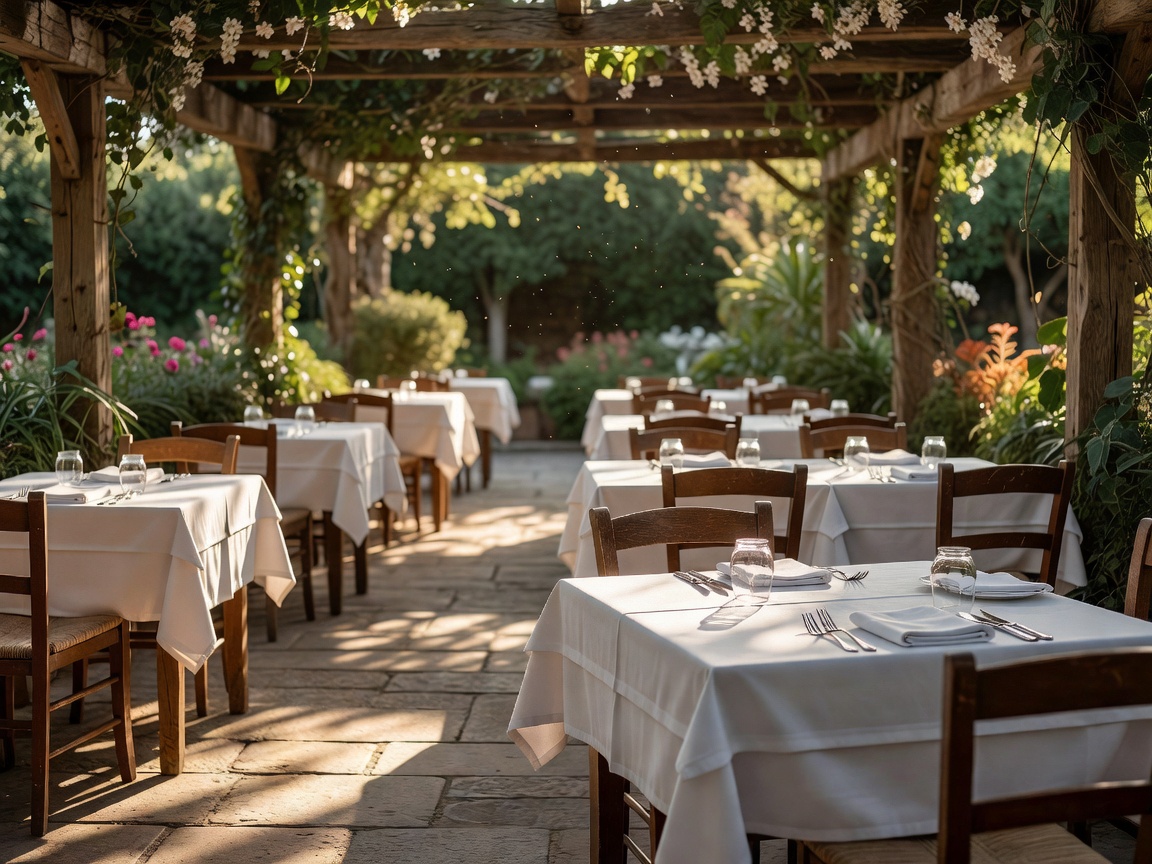
On an island, dinner can involve more than choosing a dish. The number of restaurants, opening hours, reservation rules and range of ingredients depend on the particular property and its supply links. A remote location may have a more limited selection or require advance notice for certain requests. This is not necessarily a drawback, but it is worth understanding before arrival.
Dining formats are not interchangeable
À la carte restaurants usually allow guests to order individual dishes from a menu, with charges and opening schedules set by the property. Check whether reservations are required, whether venues operate every day and whether transport between villas and restaurants is provided.
Meal plans bundle some meals or selected food and drink into a rate. “Half board,” “full board” and similar terms can vary in what they include, which restaurants accept the plan and whether beverages or special menus cost extra. Read the booking terms rather than assuming a familiar label means identical inclusions.
Dining included in a package may be tied to a specific rate or promotion. Confirm which venues, meal periods and menu selections qualify, plus any supplements. The exact package is a current booking detail and should be confirmed with the accommodation provider.
Villa dining can mean room service, a delivered meal or a scheduled private meal in the residence. Availability may depend on service hours, staffing and the villa’s kitchen facilities. A private chef arrangement is a separate service where offered; clarify the menu, staffing, ingredient sourcing, setup and any additional charges rather than assuming it is included.
Private dining may use a beach, terrace, garden or another designated setting. Weather, tide, privacy and local rules can affect where and when it takes place. Ask what happens if wind or rain makes the planned location unsuitable.
Menus shaped by place and supply
Seafood may feature in coastal menus, but availability changes with season, local regulation and supply. Do not assume that every dish comes from nearby waters or that seafood is the only option. Regional cuisines can reflect local ingredients, cultural traditions and the wider supply chain; ask staff about dishes and ingredients when those details matter to you.
Some properties may grow herbs or produce in gardens, or make particular efforts to source nearby ingredients. Those practices vary, and broad “farm-to-table” language is not evidence of a specific sourcing policy. Ask what is currently grown or sourced locally and which ingredients are brought from elsewhere.
Breakfast may be served at a restaurant, delivered to a villa or offered in more than one format. Outdoor kitchens, barbecue settings and dining terraces can make a villa meal feel informal, but they do not necessarily mean guests cook for themselves. Clarify what equipment is available and whether food preparation or service is included.
Dietary needs and allergies
Share dietary requirements and food allergies as early as possible, then reconfirm through the property’s preferred channel before travelling. Ask how allergy information is recorded, who communicates it to kitchen staff and what cross-contact precautions are possible. No editorial guide can guarantee that a kitchen can safely accommodate a specific allergy. If the consequences of an error could be serious, request a clear answer from the provider before booking.
Ask whether vegetarian and vegan dishes are available across all venues, rather than only at one restaurant. Families may want to check children’s menus, high chairs, early dining times and simple alternatives. If you do not eat seafood, confirm the range of non-seafood mains and whether those choices are available each day.
Remote logistics and meal timing
Island supply routes may be affected by transport schedules, weather and seasonality. This can influence menu selection or the availability of particular ingredients. A smaller dining operation may offer a shorter choice of venues but a quieter atmosphere; a larger resort may offer more formats but require bookings and travel between areas. Neither is a universal measure of quality. The useful question is whether the service model suits your expectations.
Drinks, snacks and meals outside restaurant hours deserve attention when a property is remote. Confirm whether a minibar, shop, pantry or late service is available, and whether it carries extra charges. For long transfer days, ask whether food can be arranged at arrival or whether the first available meal depends on your schedule.
Practical dining checklist
- Which meals are included in the booked rate, and where can they be taken?
- Are reservations needed, and how far ahead should they be made?
- What dietary options are available at each venue?
- How should allergies be communicated, and what precautions can the kitchen confirm?
- Are private meals, villa dining or chef services available, and what do they cost?
- Are children’s options, early sittings and suitable seating available?
- Are non-seafood alternatives available consistently?
- What refreshments or food are available outside restaurant hours?
- What is the weather plan for outdoor tables?
Good for
Travelers who want to understand the difference between meal inclusion, restaurant access and individually arranged experiences before choosing a rate.
What to know
Menus, dietary accommodations, opening times, charges and supply availability are property-specific and can change. Request current details directly.
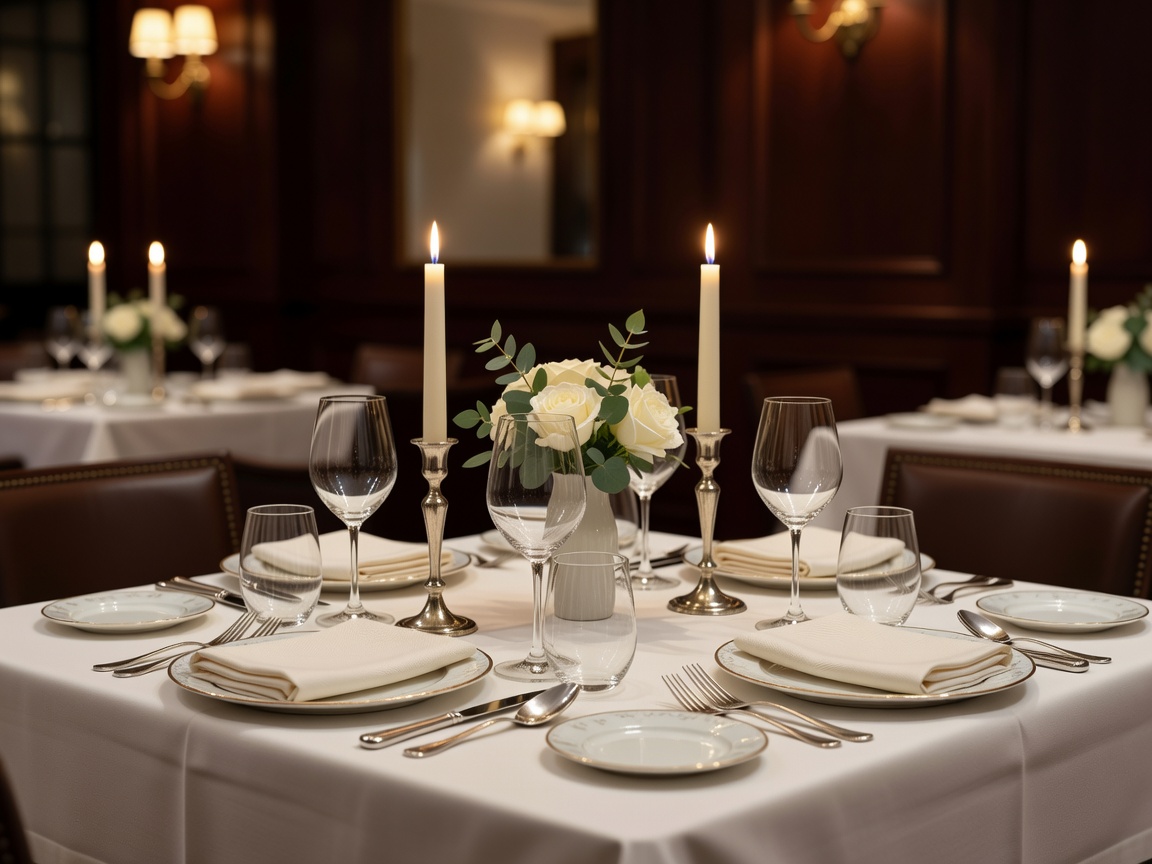
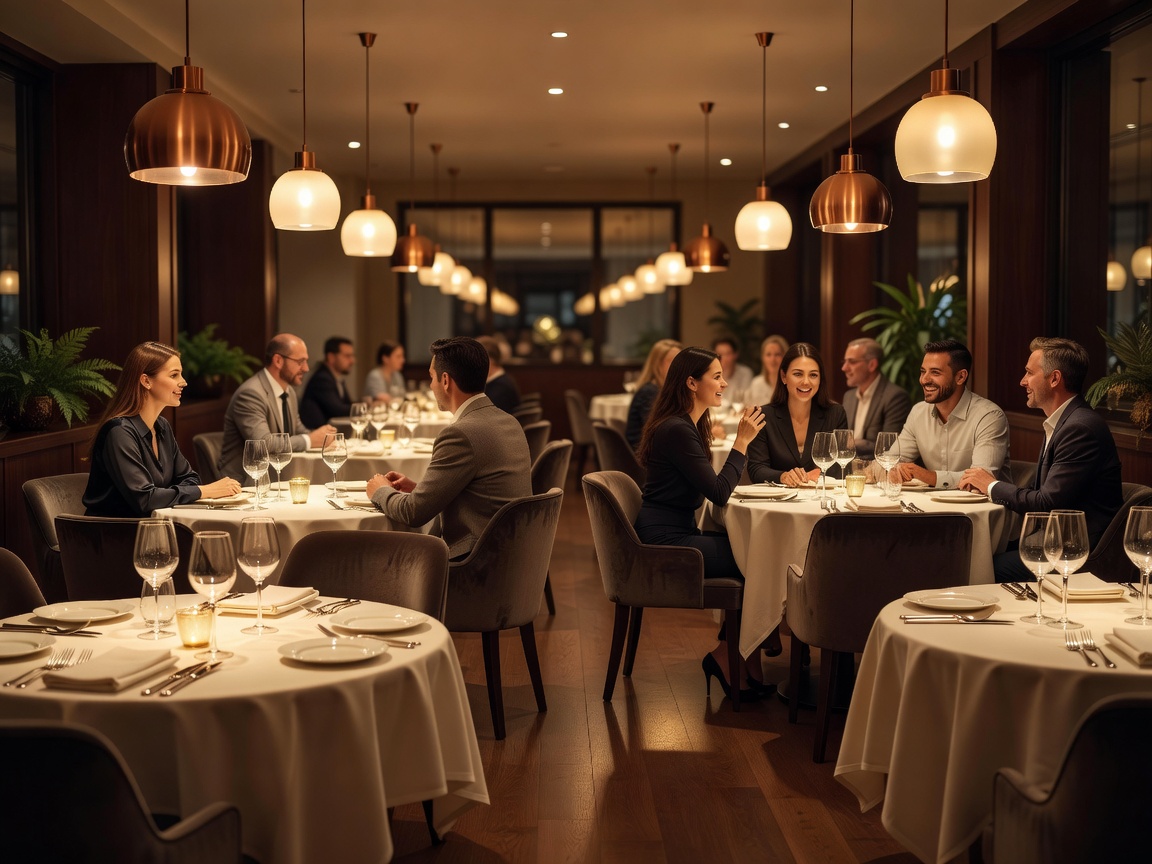
A few dining settings


Related guides
Compare island locations · Prepare before departure · Explore villa layouts